Black Necked Stork (Jabiru)
Ephippiorhynchus asiaticus
Other Names: Formerly called the "Jabiru"
Family: Ciconiidae (Storks, this is the only species in Australia)
Size: 112-115 cm, stands to 120 cm, wingspan to 200 cm
Distribution: Most of QLD except the SW, upper 1/3 of NT, top of WA and NSW
Status: Locally common
Habitat: River pools, swamps, intertidal flats.
References: Simpson and Day, Reader's Digest
The Black Necked Stork, which used to be called the Jabiru and is still called that name by many people, is a striking bird. It can stand taller than a man and can fly well (unlike the Emu, Ostrich and Cassowary).
It is not found in Sydney or the Blue Mountains but it is such a cool bird that I have included it here.
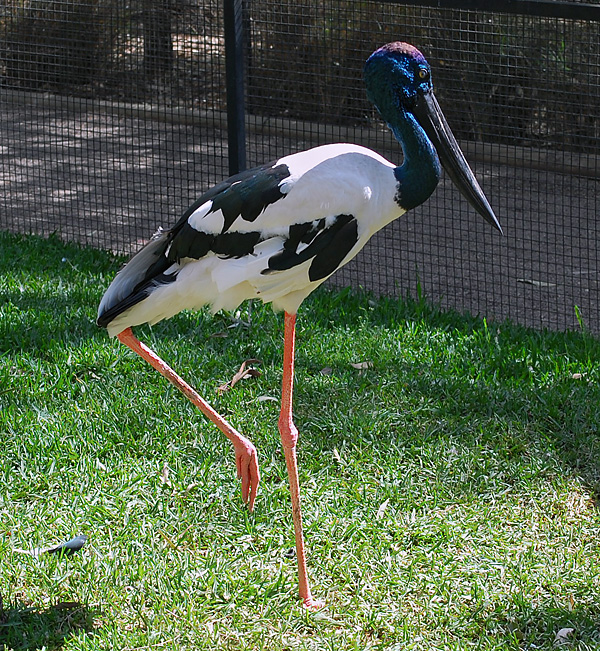
Photo: Featherdale Wildlife Park, Sydney NSW. High Resolution (1401 x 1661)
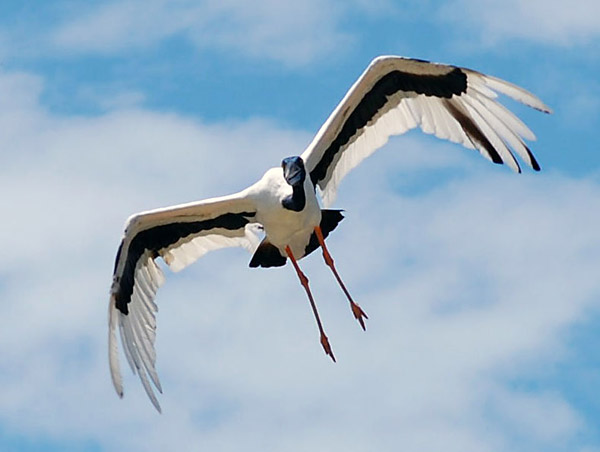
Photo: Australia Zoo, QLD
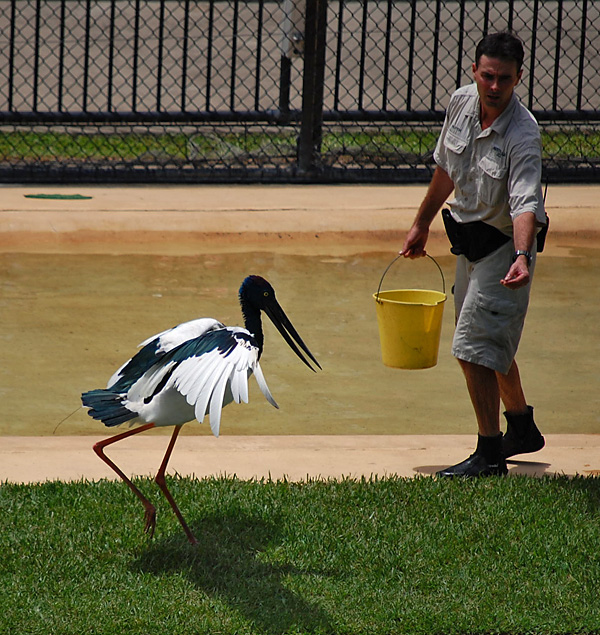
Photo: Australia Zoo, QLD
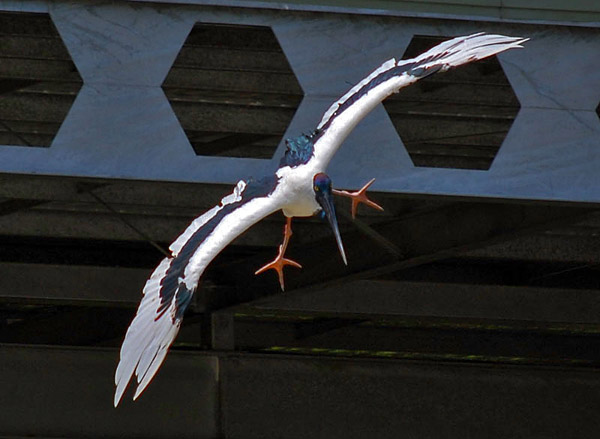
Photo: Australia Zoo, QLD
Some Birdwatching Resources
|
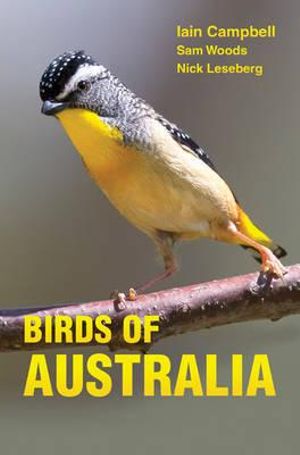 NEW: Birds of Australia: A Photographic Guide, by Iain Campbell, Sam Woods, Nick Leseberg, Geoff Jones (Photographer).
 I bought this field guide recently (June 2020). As the name suggests, it's got photographs rather than line drawings. They are very high quality, clear photos. I've got so many field guides now, they have to be really good before I buy them (I got it from a physical book shop, so I was able to look through it thoroughly before deciding whether or not to get it).
From the publisher:
Australia is home to a spectacular diversity of birdlife, from parrots and penguins to emus and vibrant passerines. Birds of Australia covers all 714 species of resident birds and regularly occurring migrants and features more than 1,100 stunning color photographs, including many photos of subspecies and plumage variations never before seen in a field guide. Detailed facing-page species accounts describe key identification features such as size, plumage, distribution, behavior, and voice. This one-of-a-kind guide also provides extensive habitat descriptions with a large number of accompanying photos. The text relies on the very latest IOC taxonomy and the distribution maps incorporate the most current mapping data, making this the most up-to-date guide to Australian birds.
- Covers all 714 species of resident birds and regularly occurring migrants
-
Features more than 1,100 stunning color photos
-
Includes facing-page species accounts, habitat descriptions, and distribution maps
-
The ideal photographic guide for beginners and seasoned birders alike
NOTE: This is the only field guide for Australian birds that I've seen which lists the size of each bird in both centimetres and inches. So if you're much more familiar with inches than centimetres, this would be the best Australian bird field guide to get just for that reason.
Purchase from Australia (The Nile)
Purchase from Australia (Fishpond)
Purchase from Amazon.com (USA Site)
Purchase from Amazon.com.au (Australian Site)
| See AlsoAustralian Bird Field Guides
Return to Australian Birds
Return to Site Map
Share This Page
australia birds guide
Content is copyright © Survive.au 2005-2026 All Rights Reserved. Terms of Use. Definitely read the disclaimer before trying anything from this website, especially including the practices and skills. This website uses affiliate links – this doesn't cost you any more, but I get a commission on purchases made through the website. As an Amazon Associate I earn similarly from qualifying purchases.
|



